Types of Air Conditioning and Their Applications
Every space has an ideal solution. Learn your options before choosing.
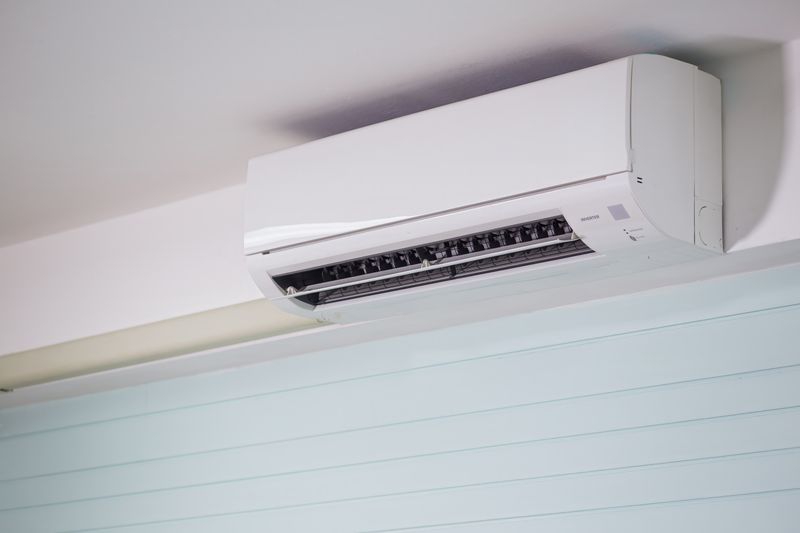
Mini Split
One indoor unit and one outdoor unit, cooling a single room. Simple installation, good energy efficiency, and low upfront cost.
Ideal for: bedrooms, individual offices, small commercial spaces.

Multi Split
A single outdoor unit connected to several indoor units (2 to 5), each with its own independent control.
Ideal for: multi-room homes, offices with several separate spaces.
Cassette (Ceiling)
Installed flush into the ceiling, distributing air 360 degrees around the room while staying almost invisible.
Ideal for: restaurants, meeting rooms, retail stores, medical offices.
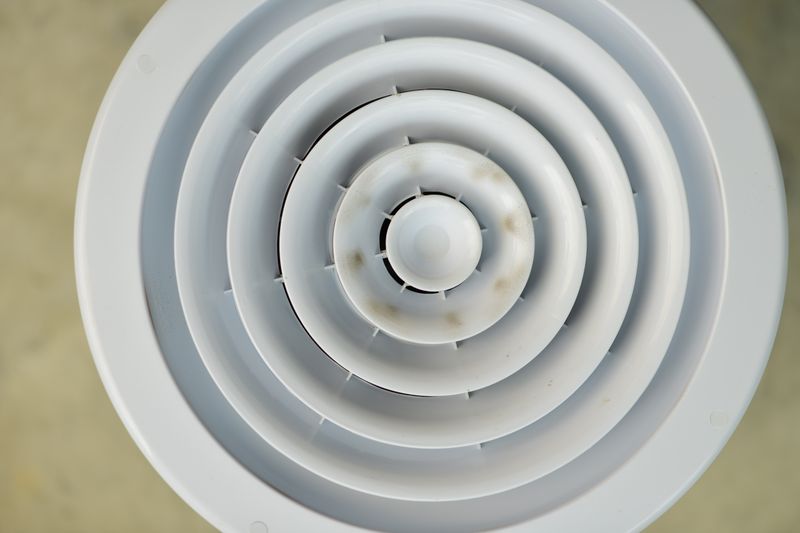
Ducted (Central)
Air is distributed through ducts hidden in the ceiling and released through discreet vents, giving uniform temperature throughout the space.
Ideal for: large homes and offices, open spaces, remodels with a drop ceiling.
Floor-Ceiling (Piso Techo)
A rectangular unit installed low or high on a wall, ideal for larger spaces that need a longer air throw.
Ideal for: large living rooms, commercial spaces, churches, gyms, restaurants.
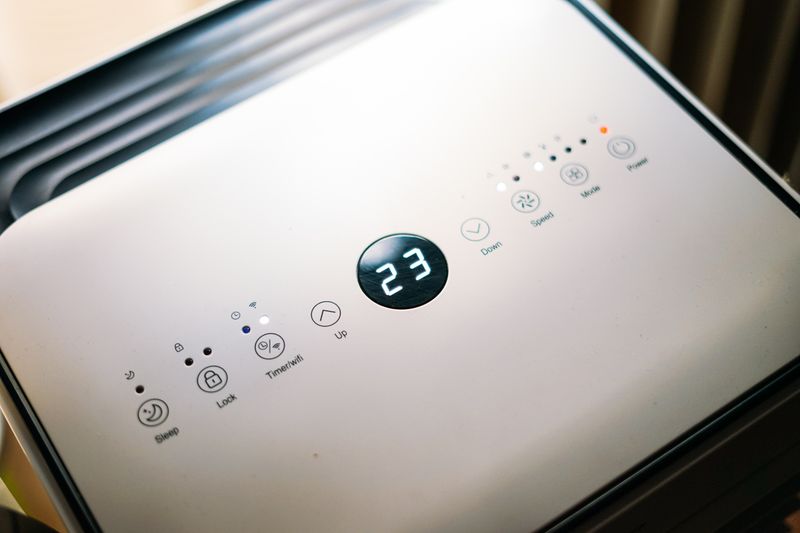
Portable
A mobile unit that moves from room to room, with an exhaust hose vented to a window. Requires no fixed installation.
Ideal for: rental units, temporary offices, anyone who cannot install a fixed unit.
Commercial (VRF)
For large buildings or commercial operations with many zones, VRF (Variable Refrigerant Flow) systems let you control dozens of indoor units from a single outdoor system, with maximum energy efficiency. Ideal for hotels, office buildings, and shopping centers.
How to choose the right type for your space
Start with how many rooms you want to cool and how you use them. One bedroom or one office is usually a mini split. Several rooms that are used at different times of day are a good fit for a multi split, because each indoor unit is controlled on its own while sharing a single outdoor unit.
Open areas with high traffic, such as restaurants or showrooms, benefit from cassette units because they spread air evenly in every direction from the ceiling. If you are building or remodeling and want the equipment out of sight, a ducted system lets you hide everything above the ceiling and deliver air through discreet grilles.
What matters in Costa Rica's climate
- Humidity: during the rainy season a good system has to remove moisture, not just cool. Inverter units and a correctly sized system control humidity better.
- Coastal areas: salt air corrodes standard outdoor coils. Near the beach, ask for units with an anti-corrosion coating and plan more frequent maintenance.
- Electrical capacity: most split units need a dedicated circuit, often at 220 V. Checking your electrical panel before buying avoids surprises on installation day.
- Noise: in bedrooms and offices, look at the indoor unit's noise level and where the outdoor unit will sit relative to neighbors.
Installation details that affect the result
The same equipment can perform very differently depending on how it is installed. The outdoor unit needs space to breathe and should not sit in direct afternoon sun if it can be avoided. The refrigerant line between indoor and outdoor units should be as short as practical, properly insulated and sealed. The drain must have a steady slope so water does not back up into the room.
During our free estimate we look at all of these points, measure the space and recommend the type and size of system that fits how you actually use it.
Not sure which system is right for your space?
Request a free quote and we'll help you choose the right equipment.
Request a quote